American leader Donald Trump has disclosed deals intended to cut the expense of widely-used obesity drugs, as drug costs take center stage in his administration's communication about accessibility.
Key Agreements with Drug Firms
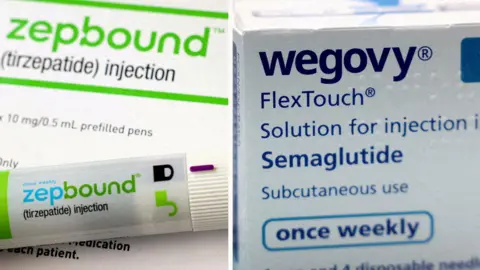
Speaking with pharmaceutical officials at the executive mansion, the President revealed arrangements with Eli Lilly and the drug manufacturer. Patients are scheduled to pay from $245 and $350 monthly for obesity medications like Wegovy and Eli Lilly's medication.
Numerous GLP-1 medications, employed against diabetes and excess weight, cost over $1,000 a month without insurance or discounts.
Enhanced Access to Government Health Plans
The deals will expand the company's and the manufacturer's access to the federal health program and Medicaid, the federal healthcare plans for older and low-income citizens.
Eli Lilly furthermore stated in a announcement it would escape import duties for 36 months as part of the deal with the Trump administration.
Cost Information
An estimated 10% of Medicare beneficiaries will be qualified for enhanced availability to GLP-1 drugs, and will be charged just $50, according to high-ranking federal officials.
Those participating in the state-federal health plan will see a phased implementation contingent upon when state governments sign up to take part.
TrumpRx Website Launch
The obesity medications will be offered at reduced prices on the consumer-direct federal platform, a government-run site planned to launch by the start of the year.
Through the federal portal, Wegovy and Zepbound will begin at $350 each month typically, and fall to $250 in a couple of years. The Medicare costs of Ozempic, the weight-loss medication, Eli Lilly's treatment, and Zepbound will be $245.
Additional Medication Options
Along with Novo Nordisk's weight-loss injection, the pharmaceutical firm's weight-loss pill, orforglipron, will be available for $149 for the minimum amount, the manufacturer said in a announcement. The company's weight-loss medication will cost $299 for a starting dosage.
These prices are contingent upon Food and Drug Administration clearance of the drugs.
Coverage Challenges
Glucagon-like peptide-1 treatments are frequently unreimbursed by health plans. National statute forbids the federal program from paying for the medications when employed in slimming, though they often are included when prescribed for diabetes and circulatory issues. Just 13 states offer insurance under Medicaid for slimming objectives.
Medical Official's Comments
Health Secretary Robert F Kennedy Jr, making remarks at the White House, stated the agreements were results of several months of discussions with Eli Lilly and Novo Nordisk. He described overweight "the number one driver of persistent health conditions" in the US.
"This will be a lifesaver to patients," Kennedy stated.
"It's not a cure-all, it's not a quick fix," he added, stressing the importance of eating habit modifications and physical exercise.
Background of Pharmaceutical Price Efforts
Since July, Trump has been urging pharmaceutical firms to cut prescription rates. He issued messages to multiple drug companies in the summer, allowing them 60 days to respond to his calls for lower costs.
Pfizer was the primary significant drug maker to secure a deal with Trump, reducing rates for selected drugs by nearly 85% on the federal portal. The company additionally committed to lower medication costs for the state-federal health plan.
AstraZeneca and the German company have additionally finalized arrangements with the administration in the last month.


